
 Facebook
 X
X
 Pinterest
 Copy Link
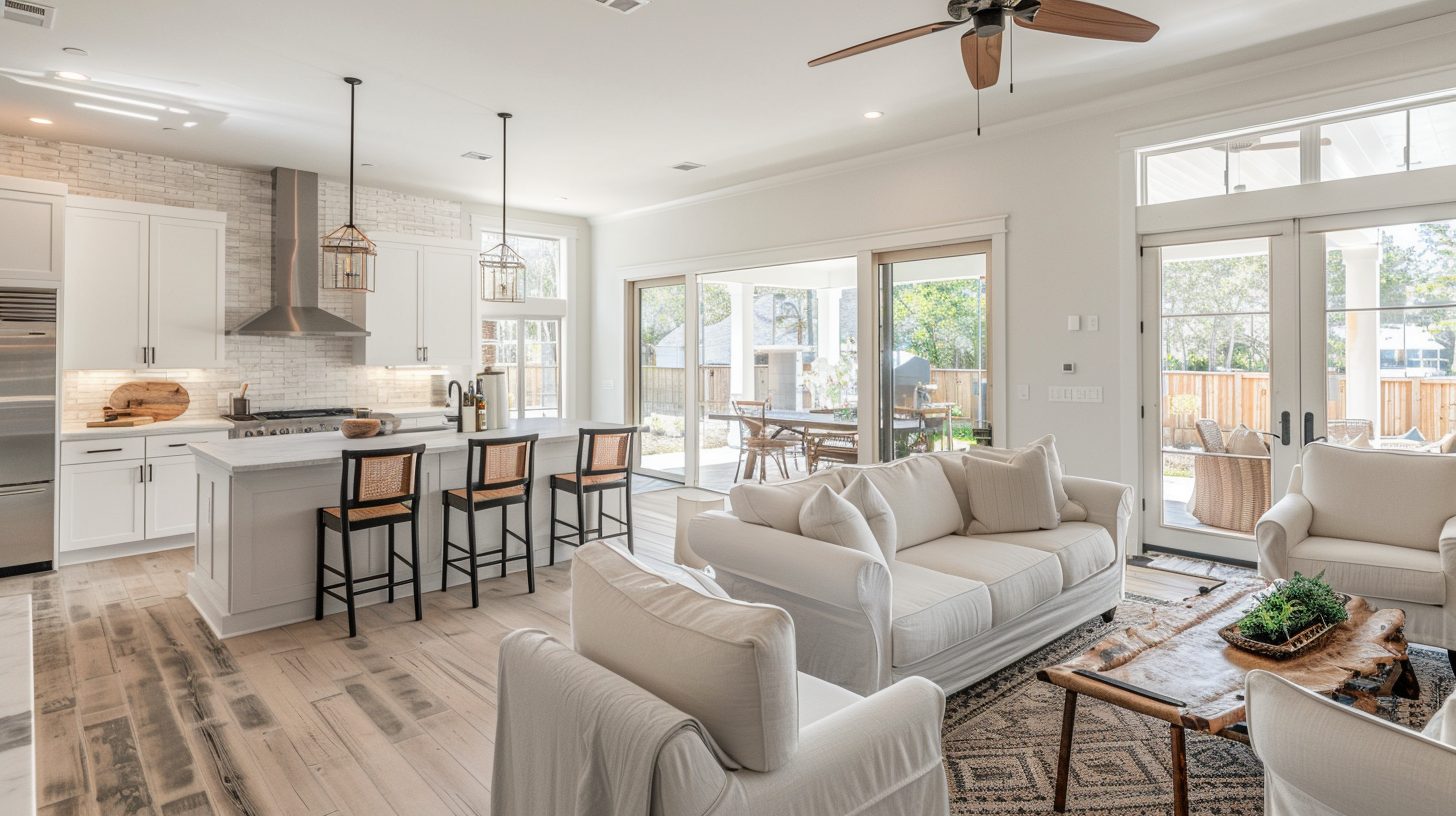
When families start shopping for a home, one of the first things they notice is square footage.
How many bedrooms?
How many bathrooms?
How much space is there?
Those things matter.
But after years of helping buyers and spending time around home construction, I’ve learned something important:
A home’s floor plan often matters more than its size.
A smaller home with a smart layout can feel comfortable and functional for years.
A larger home with a poor layout can feel frustrating almost immediately.
That’s why I encourage families to look beyond the numbers and think about how a home actually works.
Daily Life Happens in the Spaces Between Rooms
Most people don’t spend their day standing in a room admiring square footage.
They’re moving between spaces.
They’re carrying groceries.
Helping with homework.
Cooking dinner.
Getting ready for work.
The way a floor plan connects those activities makes a huge difference in how a home feels.
That’s why I often pay attention to:
- Kitchen-to-living room flow
- Traffic patterns through the home
- Access to outdoor spaces
- Bedroom placement
- Storage locations
These everyday details influence family life far more than most buyers realize.
Kitchens Are Usually the Center of the Home
In many families, the kitchen becomes the gathering place.
People cook there.
Talk there.
Help with school projects there.
That’s why I encourage buyers to think beyond countertops and finishes.
Questions worth asking include:
- Can family members interact easily with other living spaces?
- Is there enough workspace?
- Does the layout support entertaining?
- How does the kitchen connect to the dining and living areas?
A beautiful kitchen is wonderful.
A functional kitchen is even better.
Bedroom Placement Matters More Than Buyers Expect
One of the most overlooked parts of a floor plan is where bedrooms are located.
Families often benefit from layouts that provide:
- Privacy for parents
- Flexibility for children
- Quiet work-from-home space
- Room for future changes
The right bedroom arrangement can continue working well through multiple stages of life.
That’s part of the same long-term thinking I often discuss when buying for today while planning for tomorrow.
Storage Is Never as Boring as It Sounds
Storage may not be exciting during a showing.
But it becomes important very quickly after move-in day.
Things like:
- Pantry space
- Linen closets
- Garage storage
- Laundry room functionality
can have a surprisingly large impact on daily convenience.
Families rarely complain about having too much storage.
Outdoor Connections Matter in Northwest Florida
Our climate allows families to enjoy outdoor living much of the year.
That’s why I pay attention to how a home connects to:
- Backyards
- Covered porches
- Patios
- Outdoor gathering areas
For many families, these spaces become an extension of the home’s living area.
And if you’re building, the lot itself can influence how those outdoor spaces function.
The Best Floor Plans Adapt Over Time
One of the smartest things buyers can do is imagine how the home might work five or ten years from now.
Will the layout still function if:
- Children get older?
- Parents work from home?
- Family members move in temporarily?
- Entertaining becomes more important?
Flexible floor plans tend to age better because they give families options.
It’s similar to the way many families evaluate whether to build new or buy resale in Northwest Florida.
The Right Floor Plan Supports the Right Lifestyle
Every family is different.
There isn’t one perfect layout for everyone.
The goal isn’t finding the biggest home.
It’s finding a home that supports the way your family actually lives.
That’s why floor plans should always be evaluated alongside neighborhood choice, commute patterns, and long-term goals.
If You’re Looking Beyond Square Footage
The homes that families love most over time are usually not the ones with the flashiest features.
They’re the ones that work well every day.
The floor plan supports routines.
The layout supports relationships.
And the home continues to fit as life evolves.
That’s the kind of decision that tends to feel just as good years later as it did on move-in day.
—
Lorie Coogle
From the Ground Up
