
 Facebook
 X
X
 Pinterest
 Copy Link
When homeowners start thinking about selling, one of the first questions I hear is:
“What should we fix before we put the house on the market?”
That’s a good question.
But there’s another one I usually want to ask first:
“What actually needs to be done?”
Those aren’t always the same thing.
I’ve been around building and real estate long enough to know how easy it is to start a project thinking you’re adding value—and end up spending money a buyer would never have expected you to spend.
Before you start replacing countertops or tearing out cabinets, let’s look at the house the way a buyer will.
Start With the Things Buyers May Worry About
A dated light fixture and a roof near the end of its useful life are not the same problem.
Buyers know they can change a light fixture.
A major system or repair can make them stop and wonder what else they’ll need to handle after closing.
Before worrying about making a home prettier, I look at the basics:
- Roof and major systems
- Signs of leaks or moisture
- Exterior wood or trim needing repair
- Plumbing or electrical concerns
- Doors and windows that don’t operate properly
- Obvious deferred maintenance
That doesn’t mean every older component needs to be replaced before you sell.
It means we need to know what’s there and decide how it affects the way your home will compete.
That’s especially important when you’re selling a family home after years of living in it and may no longer notice some of the things a buyer will see immediately.
Paint Can Do More Than a Major Remodel
Fresh paint isn’t exciting.
But there’s a reason it comes up so often when preparing a home for sale.
Clean, consistent paint can make a house feel brighter, better maintained, and easier for buyers to picture as their own.
That doesn’t mean every room has to become white or gray.
It means addressing walls that are heavily marked, colors that interrupt the flow of the house, or areas where touch-ups would make the home feel noticeably better cared for.
Sometimes a few gallons of paint do more for presentation than a much more expensive project.
Flooring Is About the Whole Picture
Flooring is another area where sellers can spend a lot of money very quickly.
If flooring is damaged, badly worn, or changes so often from room to room that the house feels chopped up, improving it may help.
But I wouldn’t automatically replace perfectly serviceable flooring simply because it isn’t today’s newest style.
We have to look at:
- The home’s price point
- What competing homes offer
- The overall condition
- How much replacement will cost
- Whether buyers are likely to value the improvement
The goal is not to create a brand-new house.
It’s to help your existing home show its value well.
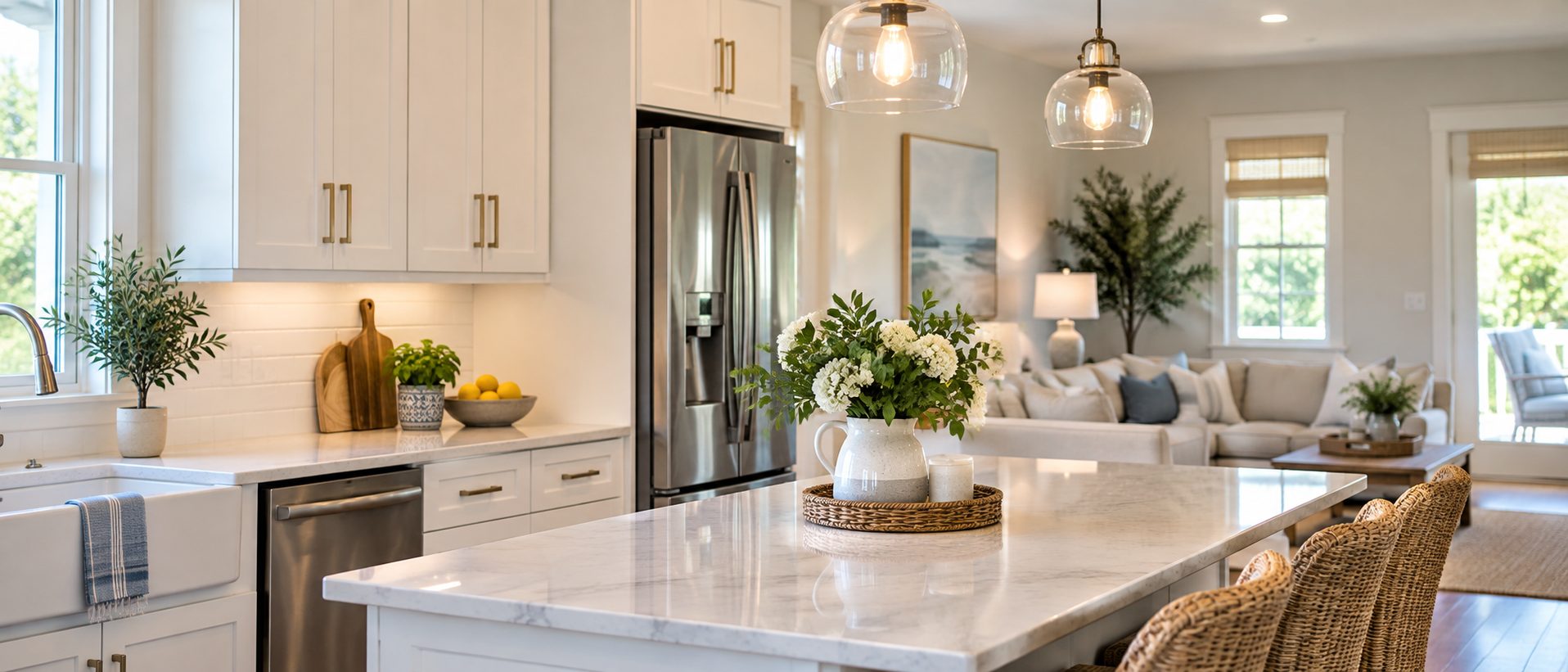
Kitchens and Bathrooms Don’t Always Need a Full Remodel
This is where I especially want sellers to slow down.
Kitchens and bathrooms matter to buyers. But that does not mean you need to renovate yours before putting the house on the market.
Sometimes replacing dated lighting, hardware, a faucet, or a worn vanity can make a noticeable difference.
Sometimes a deep cleaning and fresh paint are enough.
And sometimes the smartest decision is to price the home appropriately and let the next owner choose what they want.
I’ve seen enough construction to know how quickly a “small kitchen update” can turn into a much bigger project.
Before spending that money, make sure there’s a reason.
Curb Appeal Is Really About Care
You don’t need elaborate landscaping to make a good first impression.
Buyers want to see that the property has been maintained.
That may mean:
- Trimming overgrown shrubs
- Cleaning walks and driveways
- Freshening mulch or planting beds
- Repairing damaged exterior trim
- Cleaning the front entry
- Making sure the lawn looks cared for
The outside of the house sets an expectation for what buyers will find when they walk through the door.
Simple and well-maintained usually wins over complicated.
Don’t Try to Compete With New Construction by Becoming New Construction
This matters in Northwest Florida because buyers in many of our communities can be comparing resale homes with new construction at the same time.
You don’t need to turn a ten- or twenty-year-old home into a new one.
Established homes often have things new construction doesn’t:
Mature landscaping.
Established neighborhoods.
Larger trees.
Finished outdoor spaces.
And sometimes more character.
The goal is to understand where your home fits and present those strengths well—not erase them.
I’ve written before about whether building new or buying resale makes more sense, because each offers something different to a buyer.
Spend Where It Removes an Objection or Strengthens the Home
That’s probably the simplest way I can put it.
Before spending money, ask:
“What problem are we solving?”
If the improvement removes something buyers are likely to worry about, that’s worth considering.
If it makes an important part of the home noticeably more appealing, it may be worth considering.
If you’re doing it simply because somebody told you every house needs a remodeled kitchen before it sells?
I’d stop and look at the numbers first.
One of the most expensive homebuying mistakes isn’t always the obvious one, and sellers can make the same mistake by concentrating on finishes while overlooking the things that really affect value.
Before You Start the Project, Start With the Plan
If you’re thinking about selling six months from now—or even next year—that’s a good time to walk through the house and decide what deserves attention.
Not everything needs to happen at once.
And not everything needs to happen at all.
I’d much rather help someone make that list early than walk in after they’ve spent thousands of dollars and have to tell them the project probably wasn’t necessary.
Good preparation isn’t about doing the most.
It’s about knowing what matters.
And spending your money there.
—
Lorie Coogle
From the Ground Up
