
 Facebook
 X
X
 Pinterest
 Copy Link
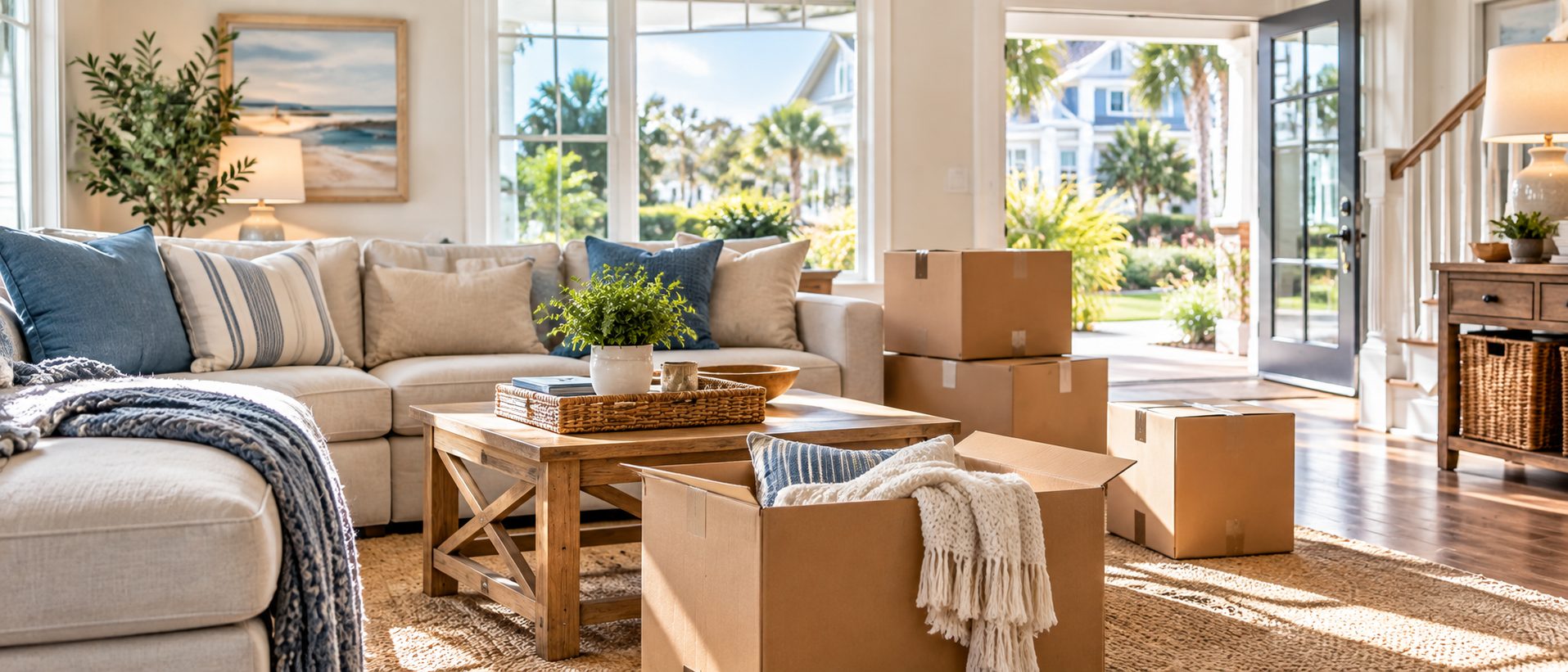
If you’re thinking about moving, there’s a good chance you’ve already started looking at homes online.
Maybe you’ve found a neighborhood you like. Maybe you’ve seen a floor plan that would work better for your family. Or maybe you’ve simply reached the point where you know your current house isn’t quite what you need anymore.
Then comes the question I hear all the time.
Do we need to sell our house before we start looking for another one?
My answer?
Not necessarily. But we do need to have a plan before we get too far into the process.
Because buying and selling at the same time can work out beautifully—or it can get complicated in a hurry if nobody has thought through the details.
Start With What Your Current Home Makes Possible
Before we start scheduling showings, I want to know a few things about the home you already own.
What is it worth in today’s market?
How much equity do you have?
Do you need the proceeds from that sale to purchase your next home?
And how quickly could your current home realistically sell?
Those answers make a big difference in what comes next.
A family with substantial equity and financing flexibility may have options that another family doesn’t. Neither situation is better or worse. We just need to understand what we’re working with.
It’s also why I encourage homeowners to think about whether their current home still fits the life they’re living before jumping into a new search.
Selling First Can Give You a Clearer Financial Picture
There’s a lot to be said for selling your current home before purchasing another one.
You know how much money you’re working with.
You may have a stronger position when making an offer because your purchase isn’t dependent on selling another property.
And you’re not carrying the expenses of two homes at the same time.
That’s especially important if your next purchase depends on the equity you’ve built.
But selling first has its own challenges.
What happens if your home sells quickly and you haven’t found the right one?
Would you be comfortable with temporary housing?
Could you negotiate a closing date or post-closing occupancy arrangement that gives you more time?
These are conversations worth having before the For Sale sign goes in the yard.
Buying First Can Work—If the Numbers Support It
Sometimes buying the next home before selling the current one makes sense.
Maybe you’ve found a property that’s difficult to replace.
Maybe your lender has confirmed you can qualify while carrying both homes.
Or maybe your family’s circumstances make moving twice especially difficult.
There can be advantages to buying first.
You may have more flexibility with your moving schedule, and you can prepare your previous home for sale after you’ve moved out.
But I don’t want anyone assuming they can comfortably carry two homes without looking at the full cost.
Two mortgage payments, insurance, taxes, utilities, maintenance, and unexpected delays can add up.
And here in Northwest Florida, insurance costs deserve particular attention when you’re evaluating what you can afford to carry.
Before making that decision, we need to look at the numbers with your lender and understand the risks.
What About Making an Offer Contingent on Selling Your Home?
This is another possibility, and it comes up often.
A home-sale contingency generally means your purchase depends on successfully selling your existing property under the terms of the contract.
That can provide important protection.
But it can also make your offer less attractive to a seller who has other buyers ready to move forward without that condition.
Whether a contingent offer makes sense depends on the property, the seller’s circumstances, current competition, and the contract terms.
I don’t believe in ruling out options before we’ve looked at them.
I do believe in understanding exactly what you’re agreeing to.
Building Your Next Home Changes the Timeline
This is where my background around construction becomes especially useful.
If you’re planning to build, we’re dealing with a different set of timing considerations.
A resale home may be ready for occupancy relatively quickly after closing.
A new construction home might be months away from completion.
And construction schedules can change.
Weather, materials, inspections, subcontractor availability, and other factors can affect the final timeline.
If you’re selling a home while building another one, I want us to think through what happens if the new house isn’t ready when expected.
Do you have somewhere to stay?
Can you extend your current living arrangement?
What happens if you need to move before construction is complete?
These aren’t reasons to avoid building.
They’re reasons to plan carefully.
And before making that decision, it’s worth understanding which improvements to your current home are actually worth making before you sellhttps://loriecoogle.com/2026/09/14/home-improvements-before-selling.
There’s no sense spending money unnecessarily on a house you’re preparing to leave, especially when you’re also budgeting for your next one.
Sometimes Keeping Your Current Home Is Another Option
Not every move has to begin with a sale.
Some families have enough equity, financial flexibility, and long-term interest to consider keeping their existing home as a rental property.
That can be worth exploring, particularly in areas where military relocations and changing family needs create ongoing housing demand.
But rental ownership isn’t simply keeping the house and collecting a check.
You have to consider maintenance, insurance, property management, vacancies, financing, and the responsibilities that come with being a landlord.
I’ve discussed that decision in more detail in whether keeping your current home as a rental makes financial sense.
It’s an option I like families to understand, but not one I’d recommend without looking carefully at the numbers.
You Don’t Have to Have Every Answer Before We Start
Here’s something I want homeowners to understand.
You don’t have to decide today whether you’re selling first or buying first.
And you don’t have to know exactly which house you want next.
But you should know what your options are before you put yourself in a position where you’re forced to make a rushed decision.
That means looking at your current home’s likely market position, talking with a lender, understanding your next purchase budget, and considering how much flexibility your family has with timing.
Sometimes that conversation leads to listing the current home right away.
Sometimes it leads to starting the search first.
And sometimes the smartest answer is to wait a little while and get a few things in order.
The Right Sequence Is the One That Works for Your Family
I’ve worked with enough families to know that no two moves happen exactly the same way.
One family needs to sell before they can comfortably buy.
Another has the flexibility to purchase first.
Someone else is building and needs to coordinate two very different timelines.
My job is to help you understand the choices, anticipate the complications, and put a workable plan together.
Because the goal isn’t simply to get one house sold and another one purchased.
It’s to make the whole move work.
And that starts long before we schedule the first showing.
—
Lorie Coogle
From the Ground Up
