
 Facebook
 X
 Pinterest
 Copy Link
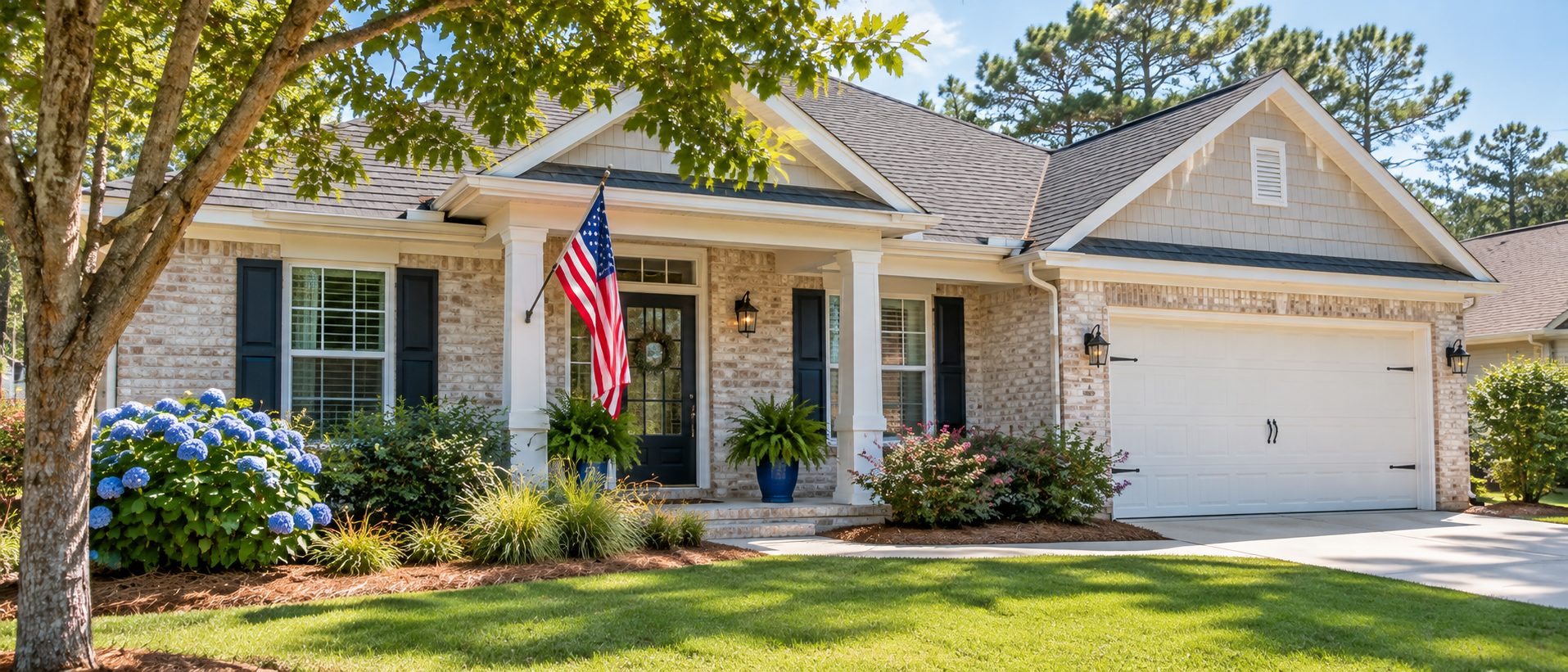
I’ve worked with enough military families to know that orders can change your plans in a hurry.
You get stationed here, settle into a neighborhood, find your favorite places, and start feeling at home. Then, a few years later, the next assignment comes along.
And suddenly you’re making another big decision.
Do you sell the house? Or do you keep it, rent it out, and maybe come back someday?
Here in Northwest Florida, that’s a conversation worth having.
We’re surrounded by military installations, and I’ve seen how much families enjoy living in places like Navarre, Gulf Breeze, and Pensacola. Some know they want to return after retirement. Others simply like the idea of having that option.
But wanting to come back and having a workable plan to do it are two different things.
Let’s talk about what families need to consider.
Start With the Possibility of Coming Back
For some military families, Northwest Florida isn’t just another duty station.
It’s where their children made friends. Where they enjoyed weekends on the water. Where they found a neighborhood that felt right.
And when retirement starts getting closer, they remember that.
I understand why someone might want to keep a home here instead of selling every time the military sends them somewhere new.
Owning a property you could eventually return to can be appealing.
But before you make that decision, I want you to think about something.
Would this still be the right home for your family ten or fifteen years from now?
A house that works beautifully with young children may not be what you want when you’re retired.
Think about the floor plan, maintenance, location, insurance costs, and how much work the property may require over time.
The goal isn’t simply to own a house here.
It’s to own one that continues to make sense.
That’s the same thinking behind my earlier article about choosing a home that gives you options for the future.
Could the Home Work as a Rental While You’re Away?
This is where the conversation gets more practical.
If you receive PCS orders and decide to keep your home, someone still has to pay for it.
Renting the property may help offset the cost of ownership, but rental income isn’t guaranteed.
And the monthly rent isn’t the same as the money you’ll actually keep.
You need to account for mortgage payments, taxes, insurance, maintenance, property management, vacancies, and repairs.
A new roof or air-conditioning system doesn’t care whether you’re stationed in Florida or halfway across the country.
Those expenses still happen.
I want families to look at realistic rental numbers and have money set aside for the unexpected.
You also need to understand whether the property is likely to appeal to renters and what it will take to maintain it from a distance.
I’ve discussed the broader decision in when keeping your current home as a rental makes sense.
The military situation adds another layer because you may be managing the property while living in another state or even another country.
That’s not impossible. Plenty of owners do it.
But it does require planning.
Location Matters for More Than Your Current Assignment
When military families are buying, commute time is naturally a big consideration.
If you’re stationed at Hurlburt Field, Eglin Air Force Base, NAS Pensacola, or another installation in our area, you want a home that works for your daily schedule.
But if you’re thinking about keeping that home after your next PCS, I want you to look beyond the commute.
Would the neighborhood appeal to future renters?
How convenient is it to shopping, medical care, and everyday services?
What are the insurance and maintenance considerations?
And would you still enjoy living there after military retirement?
Navarre, Gulf Breeze, and Pensacola offer different living environments. Even neighborhoods within the same community can have very different characteristics.
A good location for one family’s assignment may not be the best choice for another family’s long-term plans.
That’s why I don’t like making real estate decisions based on one factor alone.
Think About the House Like an Owner and an Investor
Here’s where my experience around construction comes into the picture.
I pay attention to how homes are built, how they’re maintained, and what ownership is likely to require over time.
That matters when you’re considering keeping a property for years.
A home with a practical floor plan, manageable maintenance needs, and durable materials may be easier to own from a distance than one requiring constant attention.
But newer doesn’t automatically mean better, and older doesn’t automatically mean trouble.
You have to evaluate the individual property.
Look at the age and condition of major systems, the roof, drainage, exterior materials, and the features that could become expensive to maintain.
And remember that a rental property experiences wear and tear.
If you’re planning to return someday, you’ll want to think about the condition the home may be in when that time comes.
A good long-term property should work financially and practically—not just look good on paper.
Understand Your Financing Before Making Plans
Many military buyers use VA financing, and it can be a valuable homeownership benefit.
But there are rules to understand.
VA loans generally have occupancy requirements, and using a VA loan to purchase a home you intend to occupy is different from purchasing a property strictly as an investment.
If you later receive PCS orders, that doesn’t automatically mean you must sell your home. But keeping it, renting it, or using your remaining VA entitlement for another purchase can involve important lending considerations.
Before making assumptions, talk with a lender who understands VA financing and military relocations.
I also encourage families to discuss potential tax consequences with a qualified tax professional.
Turning a primary residence into a rental can affect deductions, depreciation, and the tax treatment of a future sale.
Those details are too important to guess about.
Don’t Forget the Cost of Owning Property From Somewhere Else
This is one of the biggest practical questions.
Who will take care of the house while you’re gone?
If a tenant calls about a plumbing problem, who handles it?
Who checks on the property between renters?
Who makes sure maintenance doesn’t get postponed until a small problem becomes an expensive one?
Some owners work with professional property managers. Others have trusted local arrangements.
Either way, you need a dependable plan.
And in Northwest Florida, I want owners thinking seriously about storm preparation, insurance coverage, and what happens when severe weather affects a property while they’re away.
You don’t want to be trying to figure that out from another duty station when a storm is approaching.
Good ownership means being prepared for the responsibilities that come with it.
Sometimes Selling Is Still the Better Decision
I want to be clear about this.
Just because you love Northwest Florida doesn’t mean keeping a house here is always the right financial move.
Maybe you need the equity for your next purchase.
Maybe the rental numbers don’t work.
Maybe the property will require more maintenance than you’re comfortable managing.
Or maybe your family’s retirement plans are still too uncertain.
There’s nothing wrong with selling a home that has served your family well.
You can always explore returning to the area later.
What I don’t want is for families to hold onto a property simply because they’re afraid they’ll never have another opportunity to buy here.
That’s an emotional decision, and it needs to be balanced with the numbers.
The Best Plan Gives Your Family Choices
One of the things I appreciate about working with military families is that they understand how quickly life can change.
Assignments change. Families grow. Careers evolve. Retirement plans become clearer.
A good real estate decision should account for some of that uncertainty.
Sometimes buying a home during an assignment and keeping it as a rental makes good sense.
Sometimes buying now and selling when you leave is the smarter choice.
And sometimes renting during an assignment gives a family the flexibility they need.
My job isn’t to convince you that one approach works for everybody.
It’s to help you understand the property, the local market, and the practical considerations so you can make the decision that’s right for your family.
As a Military Relocation Professional, I know how important it is to look beyond the immediate move.
If you’re stationed in Northwest Florida and wondering whether buying a home could become part of your longer-term plans, let’s talk it through.
We can look at neighborhoods, construction, ownership costs, and the questions worth answering before you commit.
Because whether you stay a few years or eventually come back for good, I want the home you choose to be a decision you feel good about.
That’s what planning from the ground up is all about.
Lorie Coogle
REALTOR® | ERA American Real Estate
From the Ground Up
