
 Facebook
 X
 Pinterest
 Copy Link
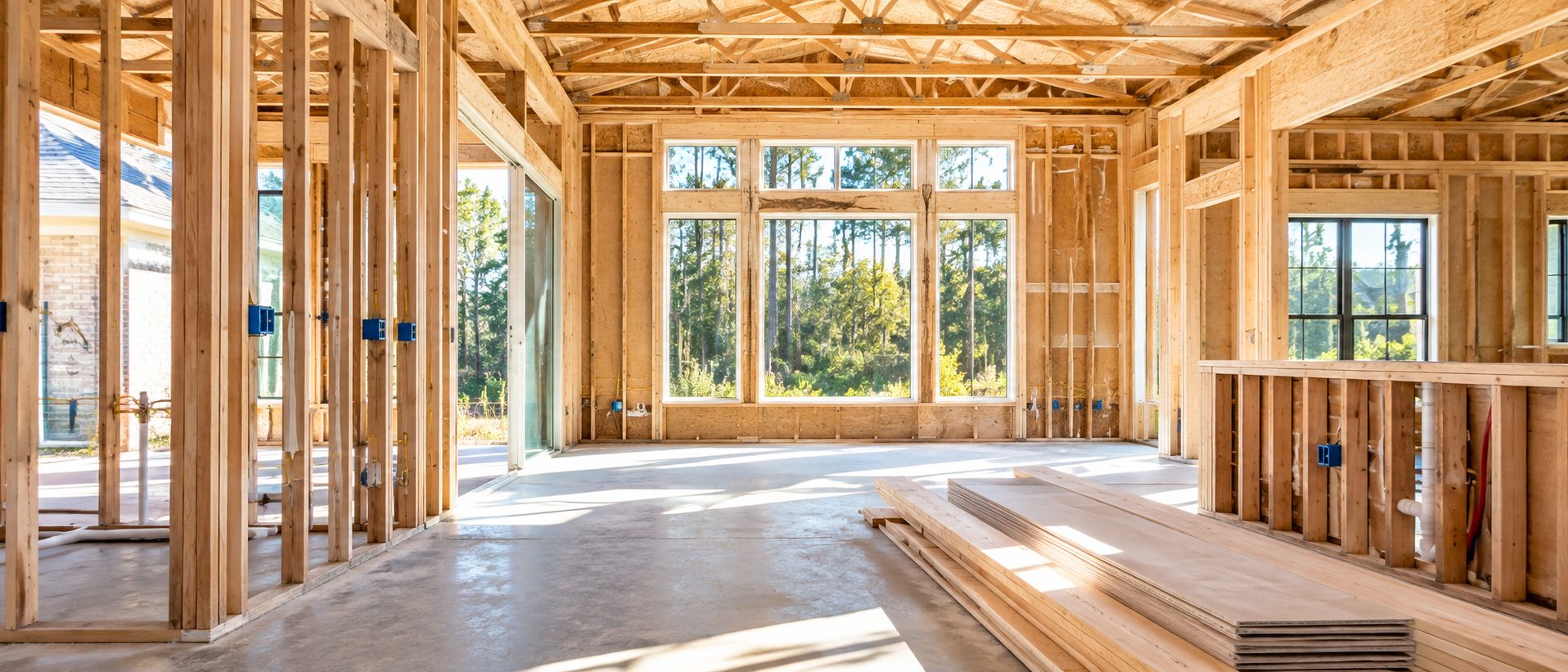
There’s something exciting about walking into a brand-new home.
Everything looks fresh. The kitchen is beautiful. The floors are spotless. Nobody has ever lived there, and you can already picture where your furniture will go.
I understand the appeal. I’ve spent enough time around homebuilding to appreciate what goes into getting a house from an empty lot to a finished home.
But I’m going to tell you something I tell buyers all the time.
Don’t get so caught up in how a new home looks that you forget to ask how the whole purchase works.
Because what you see in a model home, what you’re agreeing to in a contract, and what you’ll actually have when you move in aren’t always the same thing.
And those differences matter.
1. What’s Actually Included in the Price?
This is one of the first questions I want answered.
Model homes are designed to show what a builder can offer. That doesn’t necessarily mean everything you’re looking at comes with the base price.
Those beautiful countertops might be an upgrade.
The flooring may be different from what’s included.
The lighting, cabinets, appliances, landscaping, and even certain exterior details may cost extra.
I want buyers to understand exactly what’s included before they start comparing one home to another.
Ask for a written list of standard features and available upgrades.
And don’t assume that because something appears in the model, it’s part of the package.
A home that initially looks less expensive can become considerably more expensive once you’ve added the features you actually want.
That’s one reason I previously explained why comparing new construction and resale prices isn’t always as simple as it looks.
The right comparison is between the homes you’ll actually be getting, not just the advertised prices.
2. Can You Make Changes, and What Will They Cost?
Some builders offer plenty of opportunities to personalize a home.
Others work from established floor plans with limited choices.
Neither approach is necessarily better. But you need to understand which one you’re buying.
Can you change the flooring?
Move a doorway?
Add electrical outlets?
Choose different cabinets?
And most importantly, when do those decisions have to be made?
I’ve seen how quickly changes can affect a construction schedule and a budget.
Sometimes a request that sounds simple becomes complicated because of where the project stands.
Before signing, ask how changes are approved, how they’re priced, whether they affect completion, and when your selections become final.
It’s much easier to make good decisions when you understand the process before construction begins.
3. Is This Floor Plan Going to Work for Your Family?
I don’t care how pretty a house is. If the layout doesn’t work for the people living in it, you’re going to notice that every single day.
Think beyond the furniture in the model.
Where will everyone drop their shoes and backpacks?
Is there enough storage?
Will the laundry room work for your household?
Can you get groceries from the garage to the kitchen without walking halfway through the house?
What happens when you have company?
And will the arrangement still make sense if your family’s needs change?
These are the kinds of everyday details that deserve attention before you fall in love with the finishes.
I’ve written more about what makes a floor plan work for real families, because good design is about much more than square footage.
You can change paint colors later. Changing the basic layout is another matter.
4. What Should You Know About the Lot?
A beautiful house on the wrong lot can create problems you didn’t expect.
I spend a good deal of time looking at lots, and I can tell you that two homes with the same floor plan can live very differently depending on where they’re built.
Pay attention to drainage, sunlight, driveway placement, backyard space, neighboring homes, and how the house sits on the property.
Here in Northwest Florida, I also want buyers thinking about grading, water movement, and the practical realities of our weather.
If you’re purchasing in a developing subdivision, ask what may eventually be built around you.
That open space next door may not stay open.
I covered these considerations in what families should know before choosing a lot to build on.
The lot isn’t something you can change after closing. Choose it carefully.
5. How Realistic Is the Completion Date?
This is a big one, especially if you’re selling another home or relocating to the area.
Builders can provide estimated completion dates, but construction schedules aren’t guarantees.
Weather happens.
Materials can be delayed.
Inspections and subcontractor schedules can affect progress.
Before you make plans around a particular closing date, find out what the contract says about delays and what happens if the home isn’t ready when expected.
If you’re coordinating a sale and purchase, I want us to have a backup plan.
That’s especially important for families who need the proceeds from their current home to complete the new purchase.
In my previous article, I explained how to decide whether to sell your current home before buying the next one.
New construction can be a wonderful option. We just need to make sure the timing works for your family.
6. What Inspections and Warranties Will You Have?
One misconception I like to clear up is that a brand-new home doesn’t need an independent inspection.
New doesn’t automatically mean perfect.
Homes are built by people, and there are many steps between the foundation and the finished product.
Ask whether independent inspections are permitted during construction and before closing. Find out what access is available and when inspections can be scheduled.
You’ll also want to understand the builder’s warranty.
What does it cover?
How long does each part of the coverage last?
Who do you contact if something needs attention?
What is the process for requesting warranty work?
Get those answers in writing.
A good builder should have a clear process for addressing legitimate concerns. And as a buyer, you should know what that process is before you need it.
7. Who Is Looking Out for Your Interests?
This may be the most important question of all.
When you visit a builder’s model home or sales office, the representative there is generally working on behalf of the builder.
That doesn’t mean they won’t be helpful or professional.
But it does mean you should understand who represents whom.
I want buyers to know what representation options they have before they begin serious conversations with a builder.
Some builders have policies about when your real estate agent must be involved or registered. Those policies can affect how the transaction is handled.
So please, don’t assume you can tour every model home, sign paperwork, and sort out representation afterward.
Let’s talk before you get that far.
My job is to help you evaluate the home, understand the process, ask the questions that need asking, and recognize when something deserves a closer look.
I’ve been around construction long enough to know that the details matter.
And I believe buyers deserve someone who pays attention to them.
A Beautiful Home Is Only Part of a Good Decision
I love seeing families get excited about a new home.
I love watching a neighborhood take shape and seeing a finished house become the place where a family starts making memories.
But excitement shouldn’t replace good judgment.
Before you sign a new construction contract, make sure you understand what you’re buying, what you’re paying for, what can change, and what happens if things don’t go exactly as planned.
You don’t have to know every question to ask.
That’s part of why you work with someone who understands the process.
Whether you’re considering a completed new home, a house already under construction, or building from the ground up, I’m happy to help you sort through the details.
Because the right home isn’t just the one that looks good when you walk through the door.
It’s the one that still makes sense after you’ve asked the hard questions.
And that’s where good decisions begin.
Lorie Coogle
From the Ground Up
