
 Facebook
 X
X
 Pinterest
 Copy Link
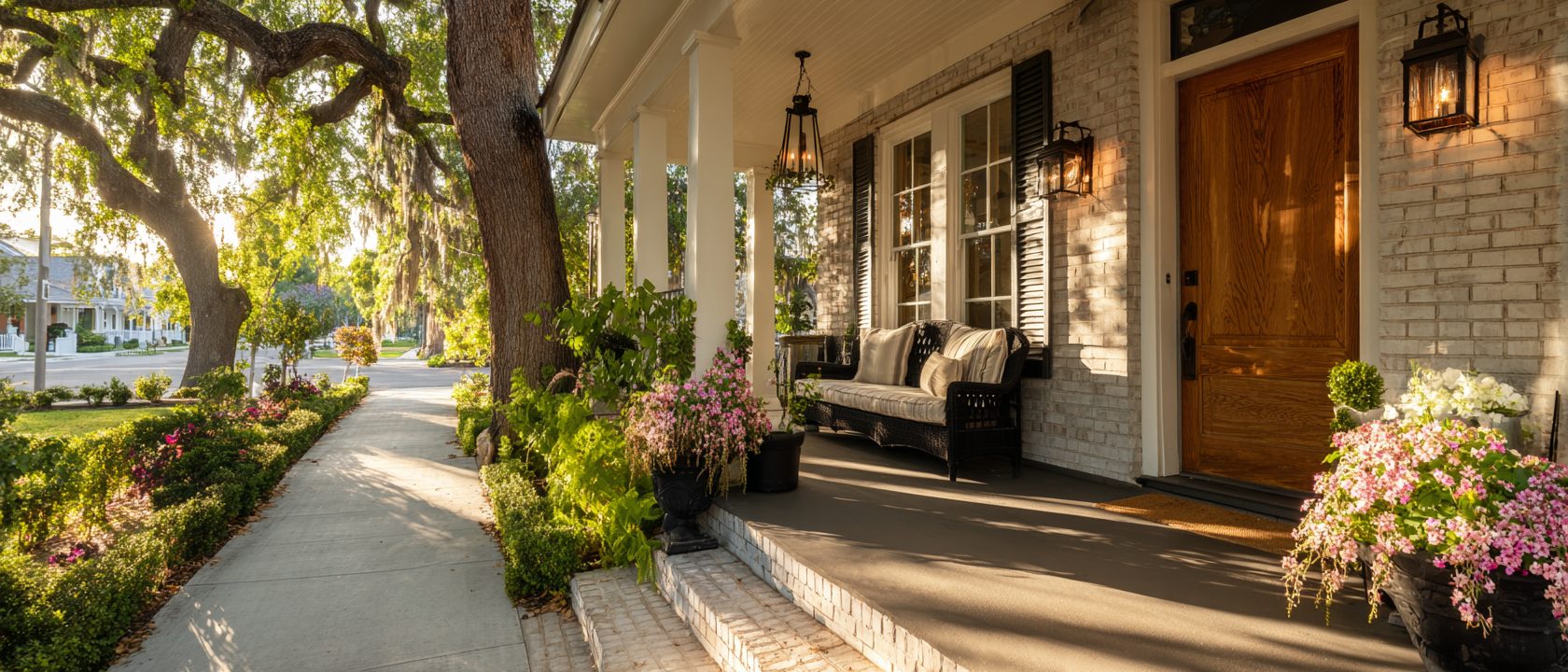
It’s easy to assume that a larger home is always the better home.
More bedrooms.
More square footage.
A bigger backyard.
More storage.
Sometimes those things are exactly what a family needs. But not always. Over the years, I’ve seen many families discover that the home they enjoy the most isn’t the biggest one they could afford—it’s the one that fits the way they actually live.
Bigger Homes Come With Bigger Responsibilities
A larger home often means:
- More cleaning
- More maintenance
- Higher utility bills
- More yard work
- More furniture
- More time spent taking care of the house
For some families, that’s well worth it. For others, they eventually realize they’d rather spend that time enjoying weekends with family than maintaining extra space they rarely use.
A Well-Designed Home Can Feel Larger Than It Is
One of the things I appreciate about thoughtful home design is that a smart floor plan often makes a home feel much larger than the square footage suggests.
Good flow.
Comfortable gathering spaces.
Natural light.
Functional storage.
Those features improve daily life far more than simply adding another room. It’s one reason I encourage buyers to look carefully at what makes a floor plan work well for real families.
Think About How You Actually Live
Before focusing on square footage, ask yourself:
- Where do we spend most of our time?
- How often do we entertain?
- Do we really need another bedroom?
- Would a better layout improve daily life more than a larger house?
Those questions often lead families in a very different direction.
Location Can Add More Value Than Square Footage
Sometimes choosing a slightly smaller home allows buyers to live in a neighborhood they truly love.
That may mean:
- A shorter commute
- Better walkability
- More established surroundings
- Larger mature trees
- Easier access to parks or everyday conveniences
A home’s location continues adding value long after the excitement of move-in day. That’s one reason I encourage families to spend time choosing the right neighborhood in Northwest Florida before focusing only on the house.
The Right Home Supports the Next Chapter
Every family’s priorities change over time.
Young families often need flexibility.
Growing families may need additional bedrooms.
Empty nesters sometimes discover they’d rather have less maintenance and more freedom.
The best home isn’t necessarily the largest one.
It’s the one that supports the life you’re living today—and the life you hope to have tomorrow.
That’s the same long-term approach I talk about in Buying for Today while Planning for Tomorrow.
Bigger Doesn’t Always Mean Better Investment
Some buyers assume that purchasing the biggest house they can afford automatically creates the best investment.
Real estate doesn’t always work that way.
Layout.
Location.
Condition.
Neighborhood demand.
Future maintenance.
Those factors often influence long-term value more than square footage alone.
If You’re Looking for Your Next Home
When families begin searching, I encourage them to think beyond numbers.
Instead of asking,
“What’s the biggest house we can buy?”
Try asking,
“Which home will make our everyday life better?”
The answer is often surprisingly different.
And in my experience, those are usually the homes families continue loving long after the excitement of moving day has passed.
—
Lorie Coogle
From the Ground Up
